
Well-being
is a practice,
not a subject.
Attention, honesty and care are not things people either have or lack. They are habits that get stronger with practice. We run three programmes that give students, teachers and teams a place to practise them together.

What we do, and why it works this way
A single assembly on happiness does not change anything. Neither does a slide deck on leadership, or a team lunch called a wellness break. People change when they get to try something, notice how it felt, and then try it again with the same group of people.
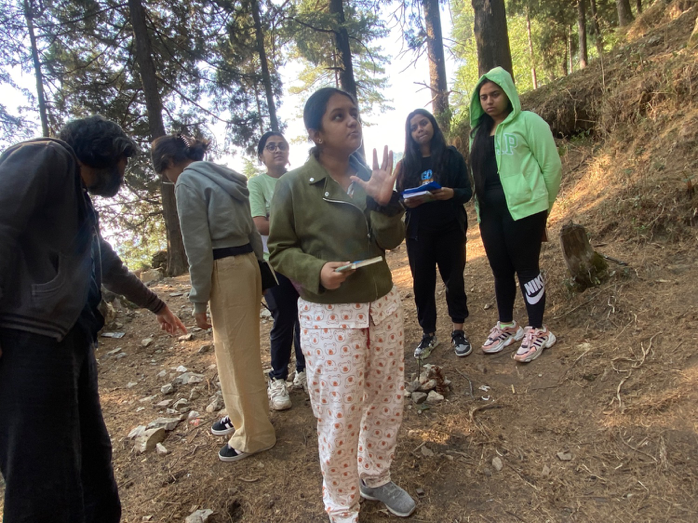
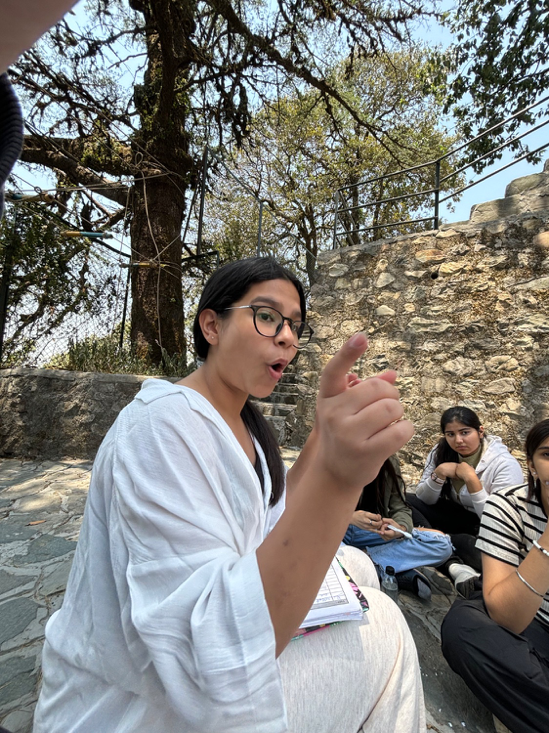
So our sessions are built out of doing. Non competitive games, theatre based exercises, circle practice, guided reflection and small social projects. Nobody is lectured at, nobody is put on the spot, and nobody has to be good at anything to take part.
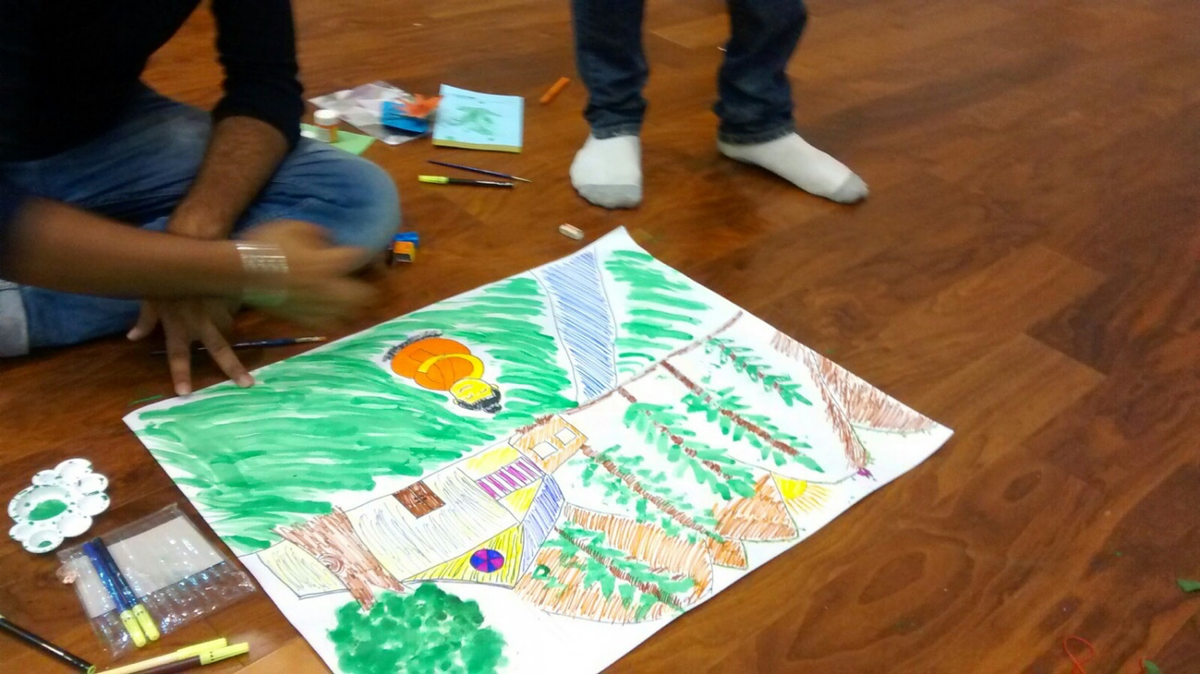
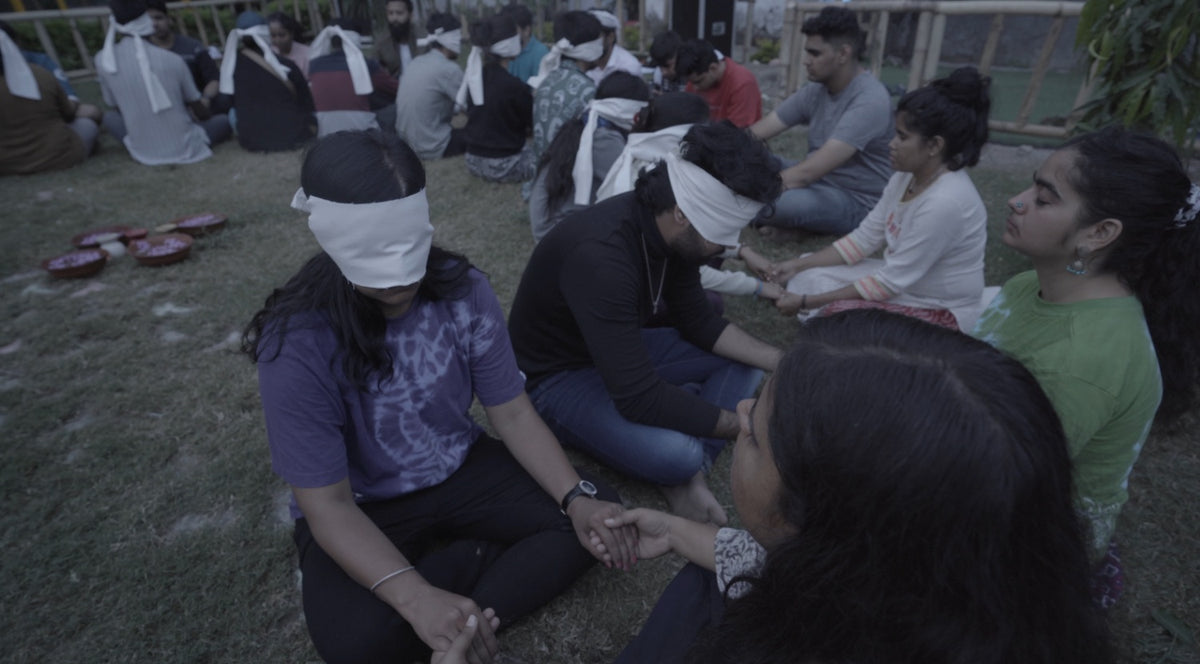
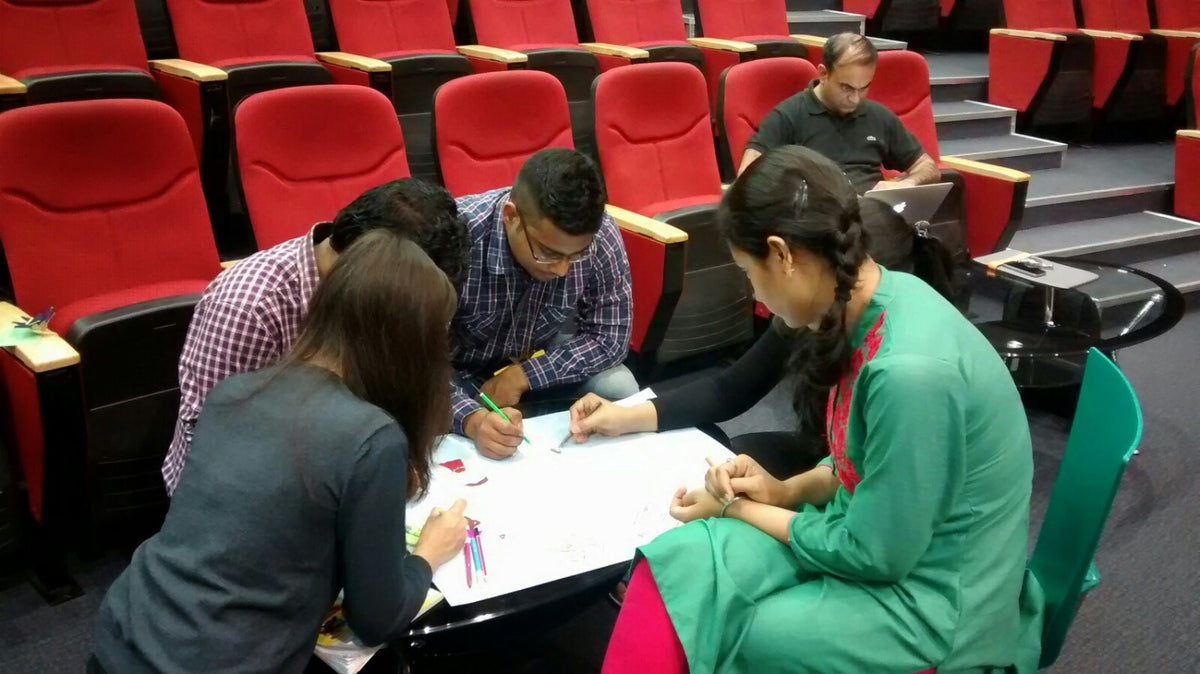
The work looks light from the outside. A blindfolded walk, a drawing on the floor, a question asked slowly around a circle. What it actually does is give a group permission to be honest with each other, and the skills to stay that way after we leave.
We listen first
A conversation with you about the group, what is going on with them, and what you would like to be different afterwards.
We design for that group
Exercises are chosen for the age, the setting and the concern you named. Nothing is run off a fixed script.
We run it with them
Everyone takes part, including the quiet ones. The facilitator holds the room so that honesty stays safe.
Everyone leaves with a next step
A practice to keep, or an action plan the group wrote themselves. Not a good feeling that fades by Monday.

They have never been more visible, or more alone
Students today have more platforms to be seen on than any generation before them, and fewer people who truly know them. They want honest friendships but hurt easily. They want closeness and keep drifting into isolation instead, one notification at a time.
This is not a phase they grow out of. Schools see it in shrinking attention spans and in classrooms that have gone quiet in a way that is not calm. Parents feel it in the silence at home. Students live it every day, whether or not they have the words for it.
Khushi Lab gives them the words, and more importantly the practice. Through non competitive games, theatre exercises and small social projects, students learn to handle their feelings, understand each other, hold their attention and show up for themselves and their friends. They are not told what to do. They do it, and then talk about what happened.
Their relationship with themselves
How they make friendships, and how they keep them
Holding focus in a world built to interrupt them
Handling conflict and disappointment without shutting down
Practising optimism as a skill, not a personality type

What a session actually looks like
Games with no winner
Play that nobody can be bad at. It gets a group laughing together before it asks them to be honest with each other.
Theatre based exercises
Stepping into someone else's position for a few minutes teaches more about empathy than a term of being told to have it.
Trust and attention work
Blindfolded walks, paired listening, slow circles. Students practise depending on each other and being worth depending on.
Social projects
Something small they build or do together, so the learning leaves the room and shows up in the corridor.
Good for a whole grade, a college batch, a student council, a hostel floor, or the group of students your counsellor is most worried about.
Every teacher needs a way to find their bearings
When we travel somewhere unfamiliar we do not guess. We use GPS, and it answers three simple questions. Where am I, where do I want to go, and what is the best route from here.
LPS does the same thing for a teacher's growth. Instead of mapping roads it maps everyday choices, habits and behaviour, through reflection, experiential activities and tools teachers can use the following week.
It is not a motivational talk and it is not an appraisal. It is a day in which teachers work out honestly where they stand as leaders, and decide where they want to stand next.
Where was I?
The experiences, habits and beliefs that shaped the teacher I became.
Where am I now?
My current position as a leader, what I am good at, and what I avoid.
Where do I want to go?
The kind of teacher, learner and colleague I want to be from here.

A staff room that talks to each other differently
Teachers spend their working lives giving attention away. LPS gives a day of it back to them, in the company of the colleagues they will walk out with. That combination matters. People return to the same corridor having seen each other think out loud.
The day moves between movement exercises, paired reflection, mapping work on paper and group conversation. Everything is done standing up, sitting on the floor, or in pairs. Teachers leave with their own map, written in their own words, and with one change they have said out loud in front of colleagues.
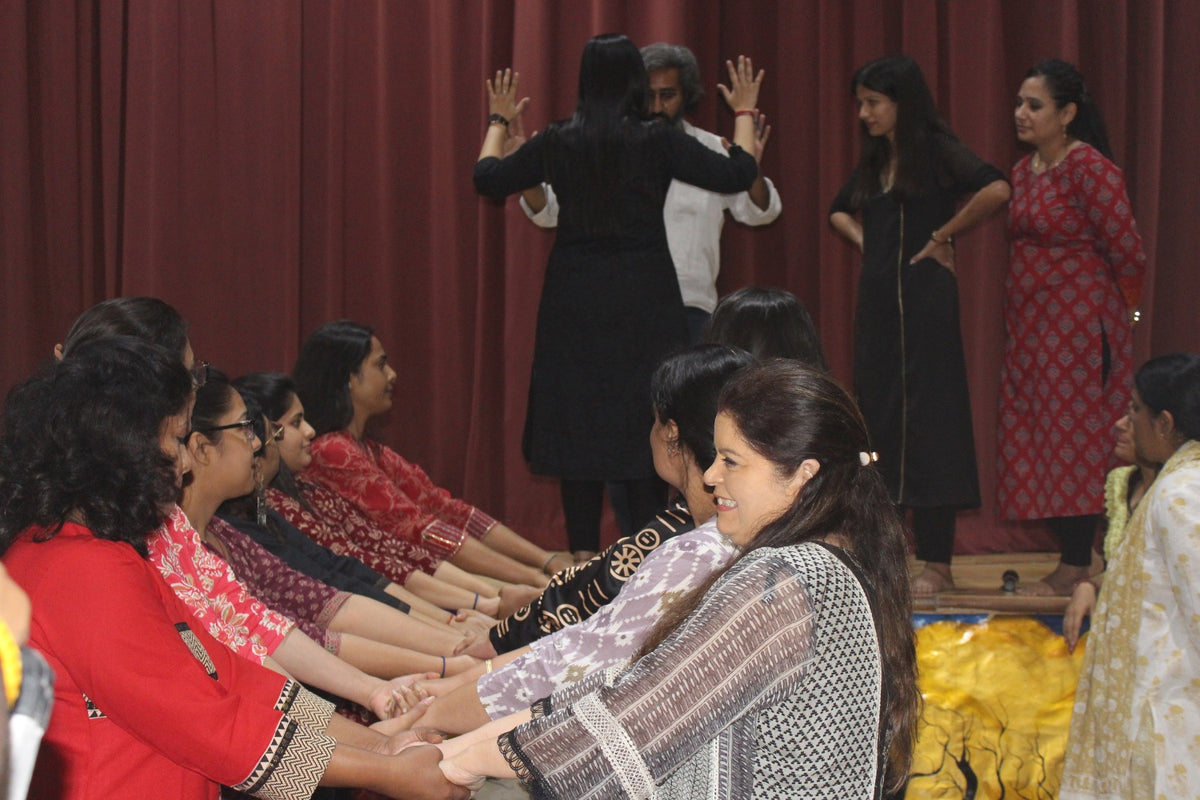
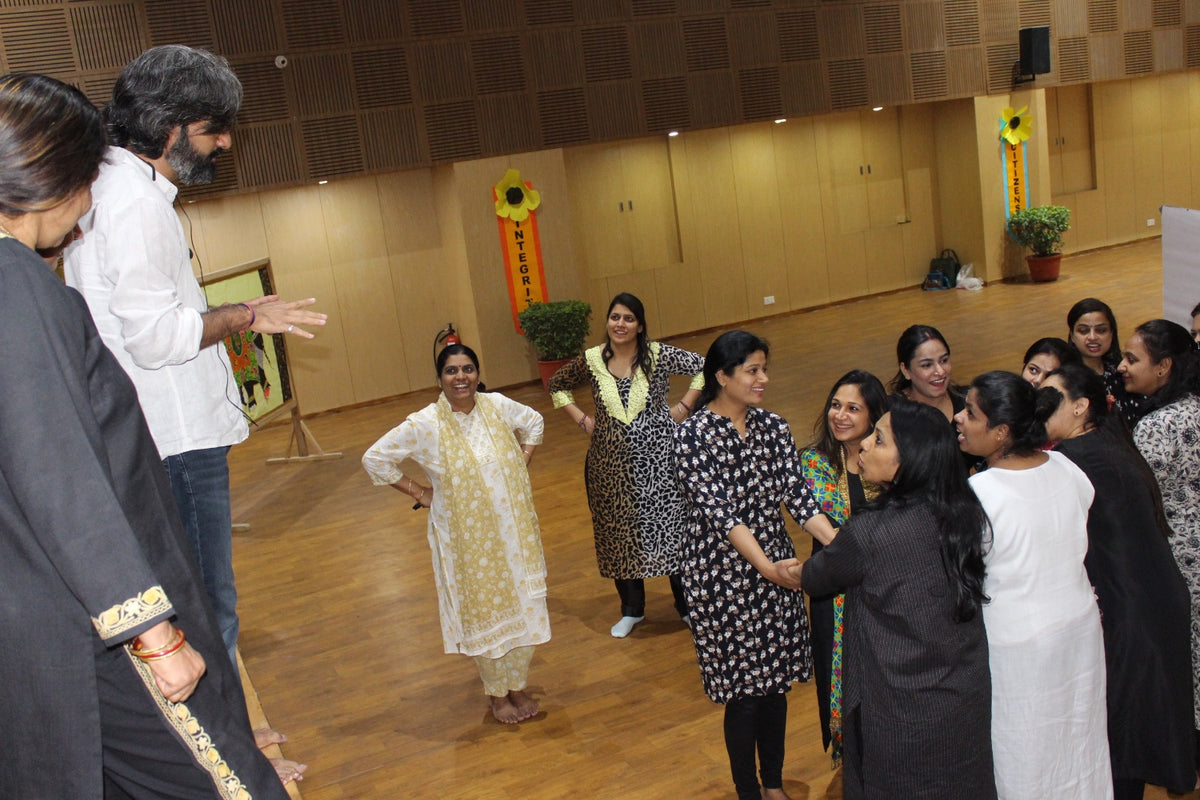
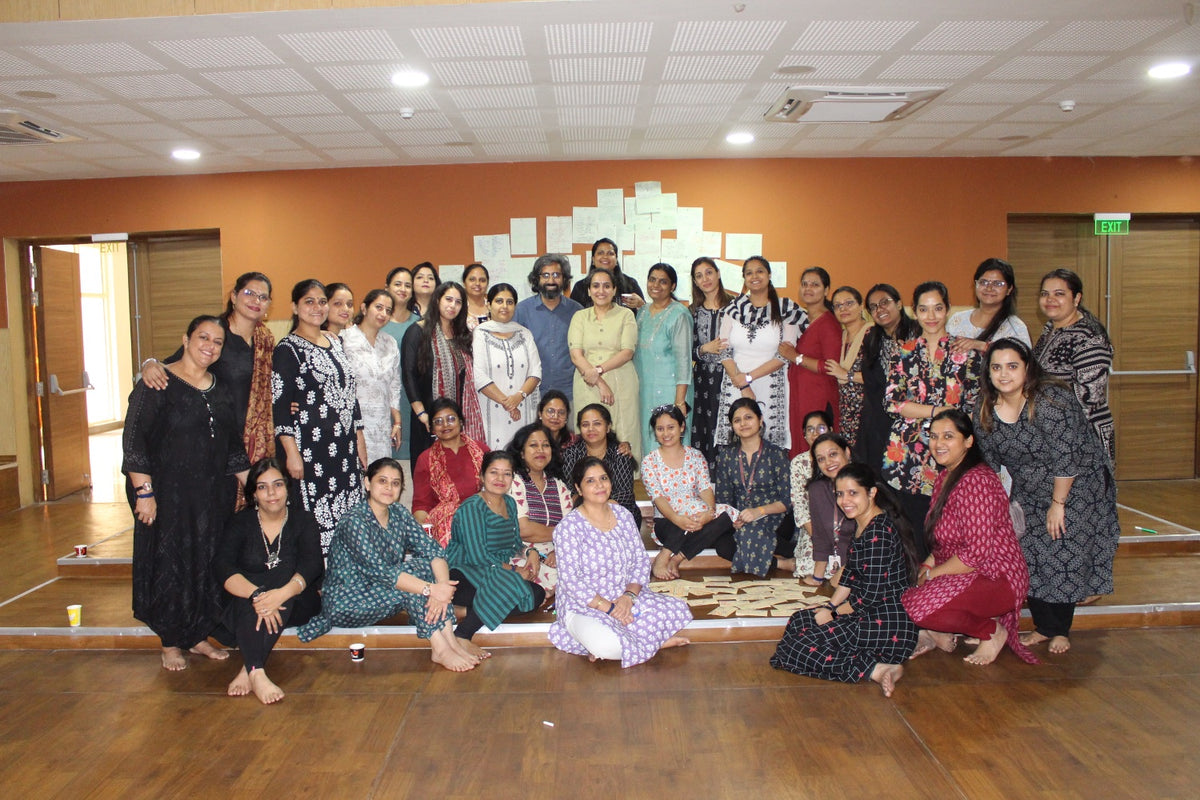
Good for a whole staff at the start of a session, a group of new teachers, heads of department, or a school working on its culture rather than its timetable.
The oldest form of leadership is the one we use least
Long before strategy decks and quarterly offsites, people solved problems by sitting in a circle and listening to each other fully before anyone spoke back. That instinct is still in us. It gets buried under meetings where everyone talks at once and nobody is actually heard.
Talking Piece brings the instinct back into the workplace without the vagueness. Using circle practice, well chosen questions, appreciative inquiry and visualisation, it moves a team past small talk and posturing into an honest conversation, and then turns that conversation into a plan before the session ends.
It is not a venting exercise and it is not a wellness break. It is a structured way of paying attention that leads somewhere you can point at afterwards.
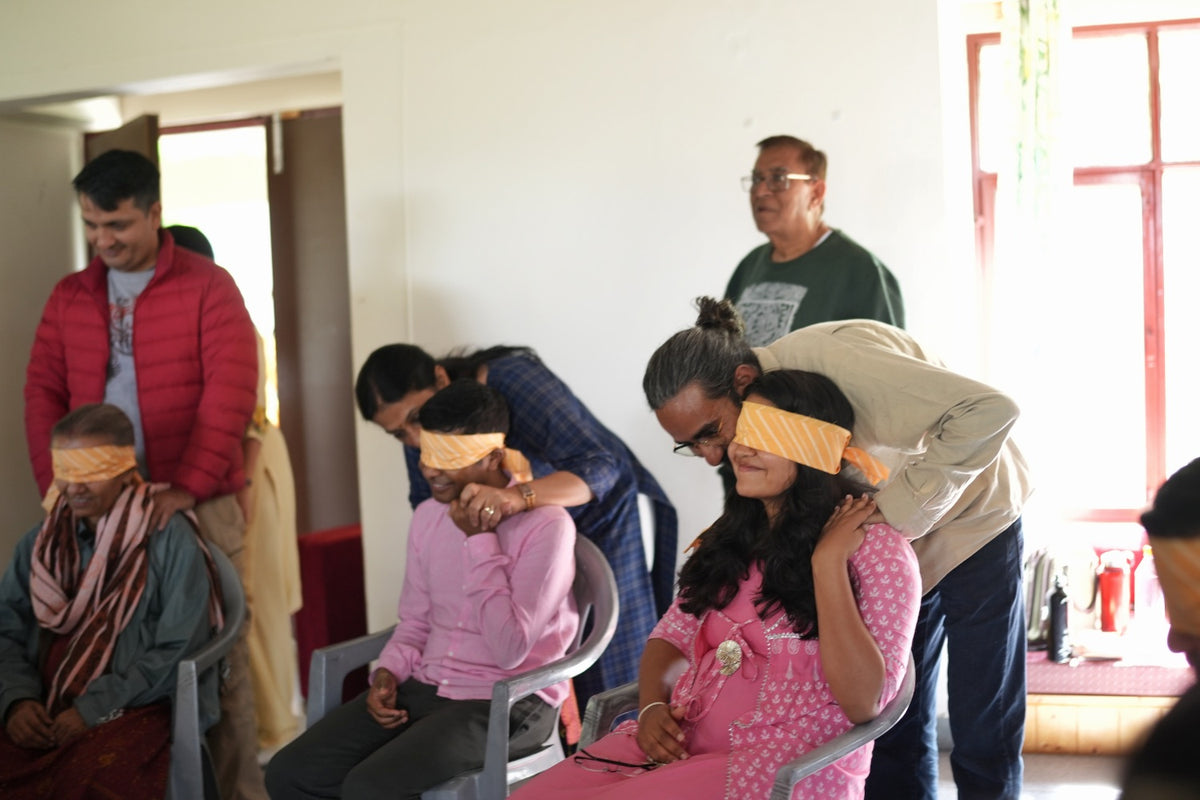
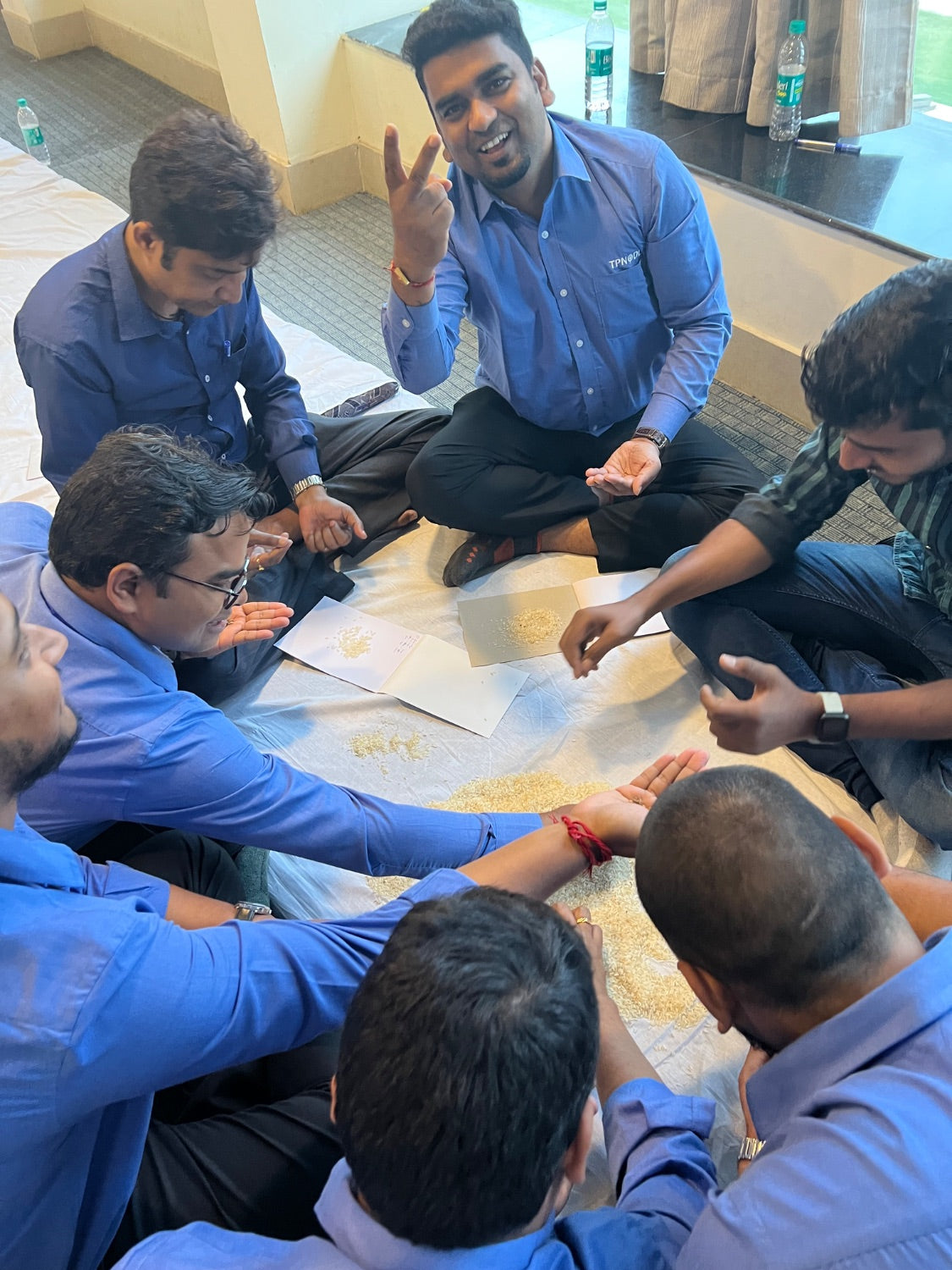
Trust built through undivided attention, not a trust fall
The thing that needed saying, said, instead of the polished version
A shift from a room of opinions to one shared direction
A concrete action plan written by the team, before they leave
Practical things you will want to know
Formats
A half day to open a subject up, a full day to go properly into it, or a series across a term when you want the practice to hold.
Residential offsites work well for teams.
Group size
Best between twenty and forty people, so that everyone stays in the circle.
Larger groups are run in parallel batches.
Where
Your campus or office, an open ground, a hall with the chairs pushed back, or a hillside. The work needs space and quiet more than it needs equipment.
What you provide
A room where people can sit on the floor, two hours of uninterrupted time at minimum, and permission for the group to be honest.
The enquiry sheet is at the end of this page and has everything we need to begin. Fill it in, or simply send us the answers on mail or whatsapp.
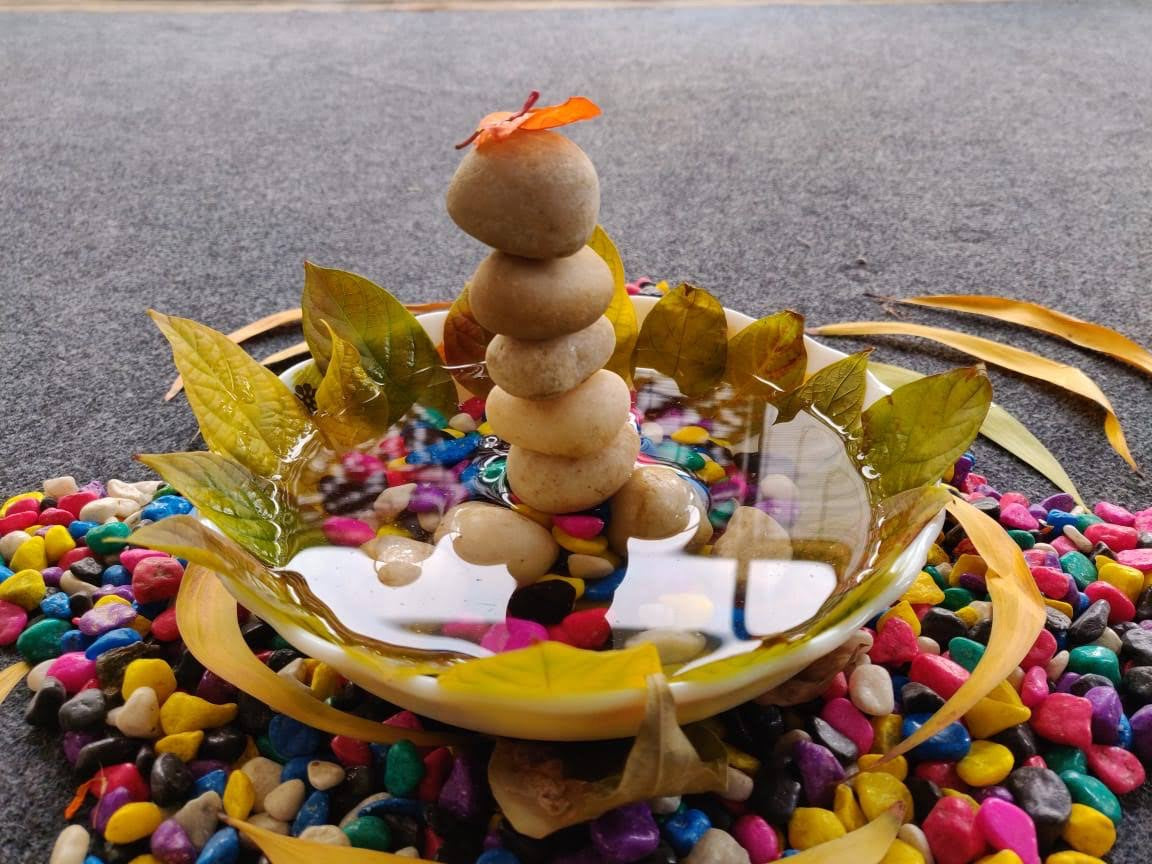
Strengthened like a muscle, not covered in one assembly.
If any of this sounds like your students, your staff room or your team, write to us with the group, a rough date and the one thing you would like to be different afterwards. We will come back with a shape for it.
Khushi Lab · LPS · Talking Piece
Schools, universities and companies we have worked with
SCHOOLS
· Heritage School, Gurgaon
· Prakriti School, Noida
· St Thomas Girls Senior Secondary School, Mandir Marg, New Delhi
UNIVERSITIES
· Auro University, Surat
· Thapar University, Punjab
· MUIT, Noida
COMPANIES AND INSTITUTIONS
· Tata Power, Delhi and Odisha
· AIMA, Delhi
· Smart Chip, Noida
· Toyota, Gurgaon
Classrooms, staff rooms, campuses and boardrooms. The exercises change with the group, the practice underneath them does not.
Three steps, and we can get started
Print this page and write on it, or simply copy the questions into an email or a WhatsApp message. Whatever is easiest for you.